
 LinkedIn
 ALOOSTA
 Contact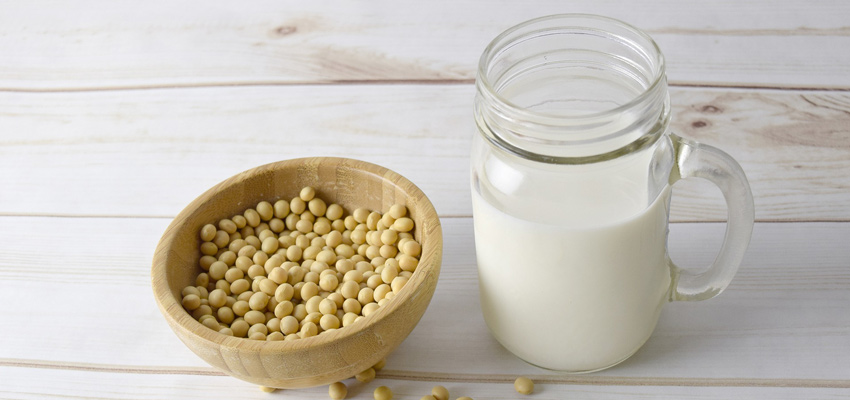
Plant-based drinks such as oat, soya or almond milk are popular – and not just among vegans. But please pay attention to the nutritional information. It provides details about added vitamins, additives and nutritional values.
Although we often talk about ‘oat milk’ or ‘soya milk’ in everyday life, this designation is not allowed on the packaging. ‘Milk’ is legally protected and reserved for animal products. Courts have banned product names such as ‘plant milk’. Instead, they use the term “drink”, such as ‘oat drink’ or ‘almond drink’. Sometimes they also show corresponding images of the products.
The percentage of the plant-based ingredient varies from product to product and is usually between 2 and 16 percent. More detailed information can be found in the description or the list of ingredients. The ingredient with the largest quantity is always listed first. In plant-based drinks, this is usually water. Take a look at the list of ingredients. Iin addition to the base ingredient, you will also find information on:
- Added sugar and oil,
- Vitamin and mineral fortifications,
- Additives such as stabilisers, emulsifiers, thickeners or acidity regulators,
- Flavourings
Additives are not uncommon in plant-based drinks. However, many products, especially those of organic quality, do not contain any additives.
If you regularly consume plant-based drinks, it may be a good idea to choose products enriched with vitamins or minerals. This is because cow's milk naturally contains important nutrients such as calcium, vitamin B12, iodine and vitamin B2, which are not found in unfortified plant-based drinks. However, fortification with vitamins and minerals is prohibited in organic products. Some organic manufacturers try to increase the calcium content by adding a type of algae. This practice is legally controversial.
The term ‘sugar-free’ is only permitted if the plant-based drink contains no more than 0.5 grams of sugar per 100 millilitres. However, there are now also sugar-free products that actually contain no sugar at all. If the packaging says ‘no added sugar’, this simply means that the manufacturer has not used any simple or double sugars or other sugary ingredients. Nevertheless, plant-based drinks, especially those based on oats or rice, can contain a lot of sugar due to fermentation. In such cases, a note is required, e.g. ‘Contains sugar from oat fermentation’.
Even if the statement ‘unsweetened’ is not explicitly regulated, it must never be misleading. You should therefore always pay attention to the actual sugar content in the mandatory nutritional information.
Such drinks are often advertised as being of ‘barista’ quality. This term is not defined. What does it mean?
As a rule, it means that additional additives have been used to create a stable foam when frothing. This can be achieved by adding edible oil and chemical stabilisers such as phosphates. Here, too, it is worth taking a critical look at the list of ingredients.
YOUR PLUS: Our food chemists are very familiar with the mandatory nutritional information requirements. Analytical testing also includes an assessment of the ‘small print’. Unclear or even inadmissible information is mentioned in the report and should be corrected by the manufacturer – preferably before the official food control authorities become aware of it. When launching new products, it is best to have our experts take a look at the label designs.
Author: Dr Frank Mörsberger, AGROLAB GROUP


 Contact
 Career