
 LinkedIn
 ALOOSTA
 Contact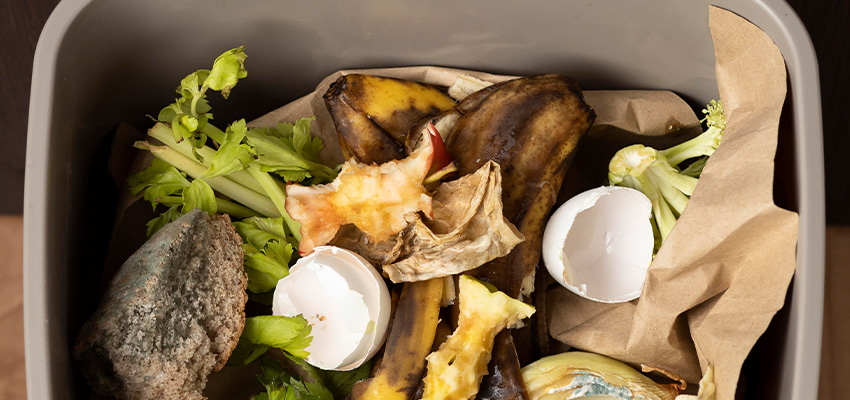
The prevention of food waste is one of the objectives of the Spanish Law on the Prevention of Food Loss and Food Waste, fully applicable since April 2026.
Ways to make progress in this area include using surpluses, transforming them into new products, and finding alternatives to make food last longer.The 2025 Annual Food Waste Report, recently presented by Spain's Ministry of Agriculture, Fisheries and Food, estimates that 1,129.91 million kilos or litres of food and beverages were wasted in 2025. While this figure shows a slight increase compared to 2024, it represents a 19.2% decrease compared to 2020.
Shelf life plays a fundamental role here. To determine whether food can be kept for longer under suitable conditions, objective data on its evolution is required. Shelf-life studies may include microbiological, physicochemical and organoleptic controls, selected according to the product's characteristics and storage conditions. Analysis can also be used to add value to surpluses and by-products. Before a product can be allocated to a new use, it must be verified that it meets the corresponding quality and safety requirements. Microbiological, physicochemical, nutritional and contaminant analyses can help characterise these materials and establish whether they are suitable for a particular valorisation route using reliable data.
Reducing food waste means more than just making better use of food; it means doing so safely and with guarantees. The laboratory can provide the necessary data to make these decisions with confidence.
YOUR PLUS: The AGROLAB Group's laboratories can assist companies in designing and conducting this type of study, providing analytical results that enable the evolution of the product during storage to be assessed and an objective basis for establishing or reviewing its shelf life to be provided.
Author: Dr Isabel Gómez, AGROLAB Iberica


 Contact
 Career