
 LinkedIn
 ALOOSTA
 Contact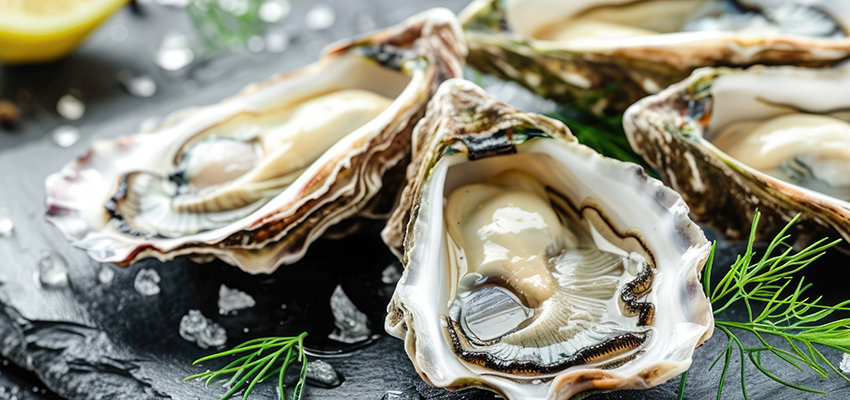
According to the, the prevalence of Vibrio in seafood is expected to increase both globally and in Europe as a result of climate change, particularly in waters with low salinity or in brackish water.
Bacteria of the genus Vibrio are aquatic bacteria that may be found in seafood. Some strains are pathogenic and can cause gastroenteritis or serious infections. In Europe, three species of these bacteria are particularly dangerous when consuming seafood. They are known as Vibrio parahaemolyticus, Vibrio vulnificus and Vibrio cholerae. Vibrio parahaemolyticus was found in one-fifth of the samples tested, of which 20% contained a pathogenic strain.
The increase in extreme weather events in Europe is leading to a rise in Vibrio infections. Warmer coastal waters provide better conditions for Vibrio bacteria to multiply. The risk of infection from consuming contaminated seafood is rising. Regions with brackish water or low salinity are particularly at risk, e.g. the Baltic Sea, the transitional waters between the Baltic and North Seas and the Black Sea, as well as coastal areas with tributaries from major rivers.
To prevent Vibrio infections in seafood, it is crucial to maintain the cold chain during processing, transport and storage – particularly for products intended for raw consumption.
In some regions, the process of depuration is already in use. This involves keeping the live molluscs in tanks of clean, circulating seawater for a period of time to flush out microorganisms and toxins. Oyster lovers will not be keen on this method, as it unfortunately also means that some of the typical flavour of these fine shellfish is lost.
In any case, eating raw shellfish and seafood carries an increased risk, not only from Vibrio bacteria but also from other pathogens such as E. coli or salmonella. People with weakened immune systems and children should therefore avoid consuming large quantities of raw seafood.
YOUR PLUS: Our AGROLAB laboratories in Italy and Spain are specialists in the analysis of Vibrio bacteria in seafood.
Author: Dr Frank Mörsberger, AGROLAB GROUP


 Contact
 Career