
 LinkedIn
 ALOOSTA
 Contact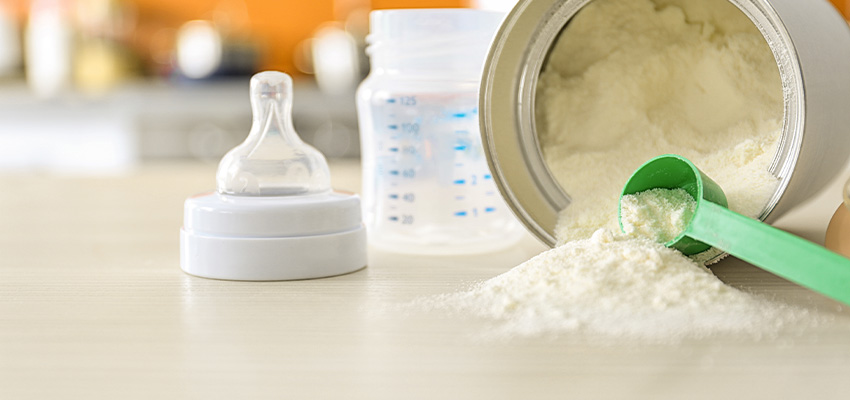
Cereulide is a heat-stable toxin produced by certain strains of the Bacillus cereus group (“emetic B. cereus”). B. cereus can enter food via dust or soil particles. Due to spore formation during heat treatment or the formation of biofilms in production facilities, the bacteria can be highly resistant. If favourable conditions are restored, for example through incorrect storage, the spores can germinate, multiply and potentially form cereulide.
Heat-treated, carbohydrate-rich foods are particularly at risk, especially:
- Rice, pasta and pudding
- Milk and dairy products
In combination with inadequate cooling or warming, ideal conditions for Bacillus cereus growth and toxin formation may occur. These include:
- Temperatures between 10 °C and 40 °C (cold-tolerant strains can already survive at 4–6 °C)
- Neutral pH value (pH > 5)
- Medium to high aw value
- Low salt concentration
- Sufficient nutrient availability
In such cases, depending on the specific situation, the direct detection of cereulide in food may be useful to assess potential health risks.
Particular attention should be paid to infant food. Emetic Bacillus cereus may also be present in milk powder products. In dry conditions, multiplication is not possible due to the low water content. However, once the powder is reconstituted and stored at room temperature for several hours, bacterial growth and cereulide formation may occur.
Cereulide is not inactivated by heating – even boiling does not eliminate the toxin. After ingestion, symptoms such as nausea and vomiting may occur within 0.5 to 6 hours (“emetic” = nausea-inducing). Symptoms usually subside within 24 hours. In rare cases involving high toxin intake, organ damage (e.g. liver or kidney damage) and even fatal outcomes may occur.
Current relevance
At the beginning of 2026, several precautionary recalls were issued across Europe due to a potential cereulide risk, including:
- Nestlé: Recalls in around 27 countries (including Germany, France, Austria, Switzerland and the UK) – possible contamination via ARA oil
- Lactalis: Several European countries – cereulide detected in an ingredient
- Danone: Europe-wide/UK – precautionary recall due to cereulide risk
Therefore, the European Food Safety Authority (EFSA) published an acute reference dose (ARfD) of 0.014 µg/kg body weight for infants in a rapid risk assessment (). This indicates that cereulide concentrations above 0.054 µg/L in reconstituted liquid infant formula or 0.1 µg/L in follow-on formula may exceed the derived ARfD value.
These events highlight the practical relevance of this topic for manufacturers, retailers and regulatory authorities.
For food business operators, the following measures are therefore essential to minimise health risks and reliably meet legal requirements:
- Raw material control
- Risk-oriented process design (biofilm prevention)
- Correct consumer information (e.g. preparation instructions)
- Monitoring of cereulide in the final product, where appropriate
AGROLAB has successfully implemented a highly sensitive LC-MS/MS method for the determination of the cereulide toxin based on ISO 18465:2017. This provides you with an accredited method for quality control to support greater safety and efficiency.
If you would like further information on the topic of cereulide in infant formula, please click here.
You can find product information about our analysis services here: pdf Product Information - Cereulide in Food(670 KB)


 Contact
 Career