
 LinkedIn
 ALOOSTA
 Contact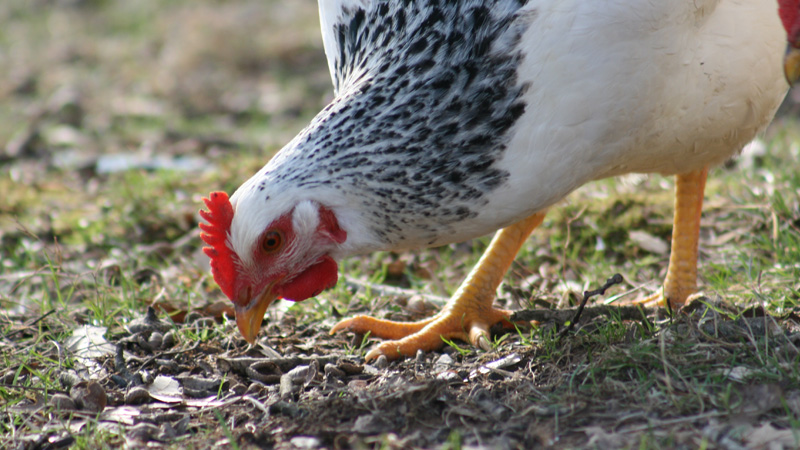
Research by the National Institute for Public Health and the Environment (RIVM) has shown that home-reared eggs can have significantly higher PFAS levels than shop-bought eggs, due to worms ingested from the soil.
The RIVM investigated the source of PFAS in home-produced eggs, which are often laid by hens kept as a hobby in gardens, allotments, livestock pastures and children’s farms. Earthworms proved to be a significant source of PFAS in eggs from free-range hobby hens. Relatively high levels of PFAS were found in these worms. PFAS are not only present throughout the environment in the Netherlands. This environmental contamination is mainly due to emissions from industry. Once PFAS have entered the environment, they hardly break down at all. The European Commission is planning a far-reaching ban on the use of PFAS, although this will only help to prevent future contamination. Currently, people – and children in particular – may be ingesting more PFAS via food and drinking water than the health-based guideline value allows. PFAS in home-produced eggs or free-range eggs can contribute significantly to exposure, as this study showed.
YOUR PLUS: Whilst we could also analyse the PFAS content of earthworms, it makes more sense to have free-range eggs tested for PFAS residues.
Author Dr. Frank Mörsberger


 Contact
 Career