
 LinkedIn
 Contatti
 CARRIERA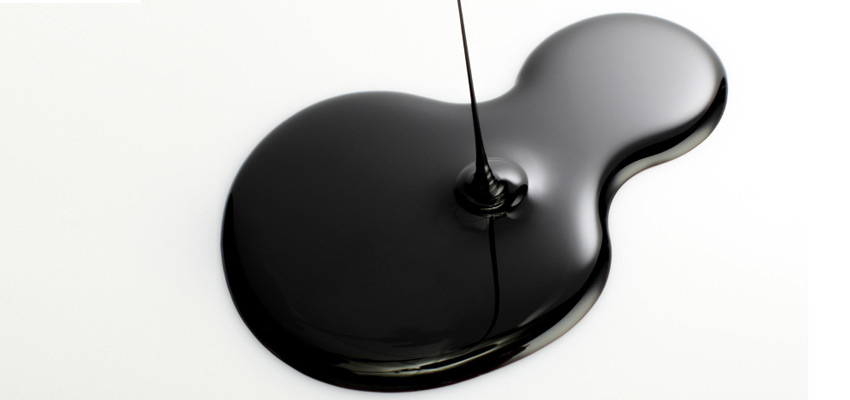
Sebbene il relativo regolamento non sia ancora stato pubblicato, a maggio gli Stati membri dell’UE hanno già raggiunto un accordo sul contenuto del regolamento relativo ai limiti per i MOAH e ai valori indicativi per i MOSH.
Gli idrocarburi degli oli minerali (MOH) provengono dai prodotti petroliferi. La loro presenza negli alimenti è solitamente dovuta a una contaminazione accidentale durante la lavorazione, il confezionamento o a causa di fattori ambientali.
MOH vengono solitamente suddivisi in due gruppi principali: MOAH (idrocarburi aromatici) e MOSH (idrocarburi saturi). I MOSH costituiscono uno dei gruppi di idrocarburi, che possono essere ramificati o lineari e presentano catene da circa 10 a 50 atomi di carbonio.
I MOAH sono composti che presentano un sistema ciclico aromatico costituito da uno o più anelli. Spesso sono collegati a una o più catene ramificate o lineari di idrocarburi saturi. Il gruppo dei composti MOAH è molto ampio. Il rischio per la salute in caso di assunzione da parte di esseri umani (e animali) non è tuttavia uguale per tutti i composti. Da studi condotti è emerso che gli effetti mutageni e la cancerogenicità sono correlati al numero di anelli aromatici: a partire da tre o più anelli, il rischio aumenta.
Inoltre, vengono raggruppate altre frazioni di oli minerali: tra queste figurano gli idrocarburi poliolefinici, oligomerici e saturi (POSH), spesso presenti nelle materie plastiche come il polietilene e il polipropilene. Attraverso gli imballaggi in pellicola, i POSH possono migrare in tracce negli alimenti. Le PAO (polialfaolefine) sono olefine sintetiche a catena corta. Si trovano, ad esempio, nei solventi o nei prodotti lubrificanti, utilizzati anche nella lavorazione degli alimenti. Non è sempre possibile impedire che entrino in piccole quantità negli alimenti.
Il 13 maggio 2026 la sezione SCoPAFF «Nuovi alimenti e sicurezza tossicologica della catena alimentare» ha approvato il relativo ai livelli massimi (ML) di idrocarburi aromatici di oli minerali (MOAH) negli alimenti (SAFETY/CONT/020/26).
In attesa della pubblicazione formale e dell’entrata in vigore del regolamento, la Commissione e gli Stati membri hanno concordato la dichiarazione congiunta dello SCoPAFF, volta a colmare il periodo di transizione.
Nel regolamento saranno riportati i seguenti valori limite:
| MOAH | Product category | Maximum residue levels for MOAH (integrated sum C10-<= C50 ) in mg/kg | ||||
| entering into force: | 01.01.2027 | 01.03.2027 | 01.01.2028 | 01.03.2029 | 01.01.2030 | |
| 5.5.2.2.1 | Groundnut, sesame, coconut and cereal germ and cereal bran oils placed on the market to the final consumer or used as an ingredient in food | 6,0 | 4,0 | 2,0 | ||
| 5.5.2.2.2 | Groundnut, sesame, coconut and cereal germ and cereal bran oils destined for further refining and are labelled as such | 2,0 | ||||
| 5.5.2.3.1 | Grape seed, cotton seed, blackcurrant seed and argan oil placed on the market to the final consumer or used as an ingredient in food | 10,0 | 5,0 | 2,0 | ||
| 5.5.2.3.2 | Grape seed, cotton seed, blackcurrant seed and argan oil destined for further refining and are labelled as such | 2,0 | ||||
| 5.5.2.4 | Olive pomace oil and refined olive pomace oil | 10,0 | 5,0 | 2,0 | ||
| 5.5.2.5.1 | Fish oils and oils from other marine organisms and algae placed on the market to the final consumer or used as an ingredient in food | 10,0 | 5,0 | |||
| 5.5.2.5.2 | Fish oils and oils from other marine organisms and algae destined for further refining and are labelled as such | 5,0 | ||||
| 5.5.2.6 | Olive oils other than those listed in 5.5.2.4 | 4,0 | 2,0 | |||
| 5.5.2.7.1 | Other oils/fats (incl. palm oil, cocoa butter, shea butter) placed on the market to the final consumer or used as an ingredient in food | 4,0 | 2,0 | |||
| 5.5.2.7.2 | Other oils/fats (incl. palm oil, cocoa butter, shea butter) destined for further refining and are labelled as such | 2,0 | ||||
| 5.5.2.8 | Products derived from fats and oils (containing > 80% of fats and oils) and products containing > 50% fat/oil content which only contain fats and oils listed under 5.5.2.1, 5.5.2.6 and 5.5.2.7 | 2,0 | ||||
| 5.5.3 | Tree nuts | 2,0 | ||||
| 5.5.4 | Pulses | 0,50 | ||||
| 5.5.5 | Cereal grains and products derived from cereals | Products derived from cereals are defined as products containing > 80% of cereal products, excluding oils derived from cereals to which the maximum levels of category 5.5.2 apply. The maximum level does not apply to cereals used for the production of beer or distillates, provided that the remaining cereal residue is not placed on the market as food. In case the remaining cereal residue is placed on the market as food, the maximum level applies, taking into account Article 3(1), (2) and (4). The fat/oil content refers to the declared fat/oil content or, in absence of a declared fat/oil content, to the fat/oil content as determined by the competent authority. |
||||
| 5.5.5.1 | Cereal grains | 0,50 | ||||
| 5.5.5.2 | Products derived from cereals with < 4% fat/oil content | 0,50 | ||||
| 5.5.5.3 | Products derived from cereals with ≥ 4% and ≤ 50% fat/oil content | 1,0 | ||||
| 5.5.6 | Milk (2) | 0,50 | ||||
| 5.5.7 | Dairy products (2) other than those listed under 5.5.2.1. |
The fat/oil content refers to the declared fat/oil content or, in absence of a declared fat/oil content, to the fat/oil content as determined by the competent authority. | ||||
| 5.5.7.1 | Products with < 4% fat/oil content | 0,50 | ||||
| 5.5.7.2 | Products with ≥ 4% and ≤ 50% fat/oil content | 1,0 | ||||
| 5.5.7.3 | Products with > 50% fat/oil content | 2,0 | ||||
| 5.5 8 | Cocoa beans and cocoa products | |||||
| 5.5.8.1 | Cocoa beans | 2,0 | ||||
| 5.5.8.2 | Cocoa mass | 2,0 | ||||
| 5.5.8.3 | Cocoa powder and fat reduced cocoa powder | 1,0 | ||||
| 5.5.9 | Spices, dried herbs, dry tea and dry herbal infusions that are used as an ingredient in food, dry instant tea and dry instant herbal infusions | 10,0 | 5,0 | |||
| 5.5.10 | Infant formulae(3), follow-on formulae(3), young-child formulae(4), food for special medical purposes intended for infants and young children(3), baby food(3), processed cereal-based food for infants and young children(3) and drinks for infants and young children placed on the market and labelled as such. | The fat/oil content refers to the declared fat/oil content or, in absence of a declared fat/oil content, to the fat/oil content as determined by the competent authority. | ||||
| 5.5.10.1 | Products with < 4% fat/oil content | 0,50 | ||||
| 5.5.10.2 | Products with ≥ 4% and ≤ 50% fat/oil content | 1,0 | ||||
| 5.5.10.3 | Products with > 50% fat/oil content | 2,0 | ||||
| 5.5.11 | Food supplements | 10 | 5 | |||
| 5.5.12. | Food additives | No max. levels apply for food additives. Food additives that are produced from oils or fats, shall be produced from oils that comply with the maximum levels established under this Regulation for oils and fats placed on the market to the final consumer or used as an ingredient in food. |
||||
| 5.5.13 | Processed and compound foods which contain ingredients listed in categories 5.5.1, 5.5.2, 5.5.3, 5.5.4, 5.5.5, 5.5.6, 5.5.7, 5.5.8, 5.5.9 and 5.5.12 and which do not fall under categories 5.5.10, 5.5.11 and 5.5.14 | The fat/oil content refers to the declared fat/oil content or, in absence of a declared fat/oil content, to the fat/oil content as determined by the competent authority. For tea and herbal infusions these maximum levels only apply to instant tea, instant herbal infusions and tea and herbal infusions that are used as an ingredient in food and not to other tea and herbal infusions. |
||||
| 5.5.13.1 | Products with < 4% fat/oil content | 0,50 | ||||
| 5.5.13.2 | Products with ≥ 4% and ≤ 50% fat/oil content | 1,0 | ||||
| 5.5.13.3 | Products with > 50% fat/oil content | 2,0 | ||||
| 5.5.14 | Compound foods containing ≥ 15% spices and/ or dried herbs and /or dry tea |
|||||
| 5.5.14.1 | Compound foods containing ≥ 75% spices and/ or dried herbs and/or dry tea | 5,0 | ||||
| 5.5.14.2 | Compound foods containing ≥ 50% and < 75% spices and/ or dried herbs and/or dry tea | 3,5 | ||||
| 5.5.14.3 | Compound foods containing ≥ 15% and < 50% spices and/ or dried herbs and/or dry tea | 2,0 | ||||
| For foot notes refer to the regulation after publishing | ||||||
Per i MOSH continuano ad applicarsi valori indicativi anziché valori massimi. Qualora vengano rilevate concentrazioni di MOSH superiori ai valori indicativi stabiliti, gli operatori del settore alimentare dovranno far eseguire ulteriori analisi per individuare le possibili fonti di contaminazione.
| MOSH | Product category | Indicative level (action level) in mg/kg |
| entering into force: | 01.01.2027 | |
| Olive pomace oil, grapeseed oil, blackcurrant seed oil, cottonseed oil, cereal germ oil, safflower oil, essential oils, fish oils and oils from other marine organisms and algae and products derived from these fats and oils |
50 | |
| Animal and vegetable fats and oils other than those listed under points (a) or (c) and products derived from these fats and oils; | 30 | |
| Linseed oil, maize oil, rapeseed oil, sunflower oil, soybean oil, cocoa butter, products derived from these fats and oils; spices, dried herbs, herbal infusions, food supplements |
15 | |
| Cocoa beans, cocoa and chocolate products other than cocoa butter, confectionary other than cocoa and chocolate products; Processed meat and offal; Processed fish and other seafood, processed eggs |
10 | |
|
Oilseeds, oil fruits, tree nuts, pulses, cereal grains & cereal based food, |
5 | |
| Liquid formulas and drinks for infants and young children | 1 |
IL VOSTRO PLUS: la tabella dei valori limite per i MOAH può sembrare a prima vista piuttosto complessa. Ma non preoccupatevi: gli esperti dei laboratori AGROLAB vi aiuteranno a valutare correttamente i risultati analitici.
Autore: Dr. Frank Mörsberger, AGROLAB GROUP; Traduzione: llaria Reato, AGROLAB Alimentalia


 CARRIERA
 Contatti