
 LinkedIn
 Kariera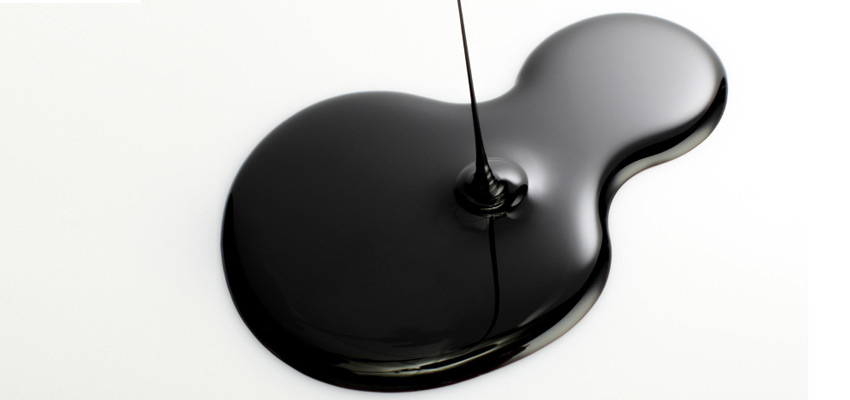
Chociaż odpowiednie rozporządzenie nie zostało jeszcze opublikowane, państwa członkowskie UE osiągnęły już w maju porozumienie co do treści rozporządzenia dotyczącego wartości dopuszczalnych dla MOAH oraz wartości orientacyjnych dla MOSH.
Węglowodory ropopochodne (MKW) pochodzą z produktów ropopochodnych. Ich obecność w żywności wynika zazwyczaj z niezamierzonego zanieczyszczenia podczas przetwarzania, pakowania lub w wyniku oddziaływania czynników środowiskowych.
Węglowodory ropopochodne (MOH) dzieli się zazwyczaj na dwie główne grupy: MOAH (aromatyczne węglowodory ropopochodne) i MOSH (nasycone węglowodory ropopochodne). MOSH to węglowodory nasycone ropą naftową, stanowiące jedną z grup węglowodorów ropopochodnych, które są rozgałęzione lub liniowe i mają łańcuchy o długości od około 10 do 50 atomów węgla.
MOAH to związki zawierające aromatyczny układ pierścieniowy składający się z jednego lub kilku pierścieni. Często są one połączone z jednym lub kilkoma rozgałęzionymi lub nierozgałęzionymi łańcuchami węglowodorów nasyconych. Grupa związków MOAH jest bardzo szeroka. Ryzyko dla zdrowia w przypadku spożycia przez ludzi (i zwierzęta) nie jest jednak takie samo dla wszystkich związków. Z badań wynika jednak, że działanie mutagenne i rakotwórczość korelują z liczbą pierścieni aromatycznych – ryzyko wzrasta przy trzech lub więcej pierścieniach.
Ponadto wyróżnia się inne frakcje olejów mineralnych: należą do nich poliolefinowe, oligomeryczne, nasycone węglowodory (POSH), które często występują w tworzywach sztucznych, takich jak polietylen i polipropylen. Poprzez opakowania foliowe POSH mogą przedostawać się w śladowych ilościach do żywności. PAO (polialfaolefiny) to krótkołańcuchowe, syntetyczne olefiny. Występują one na przykład w rozpuszczalnikach lub produktach smarnych, które są również stosowane w przetwórstwie spożywczym. Nie zawsze można zapobiec przedostawaniu się ich w niewielkich ilościach do żywności.
W dniu 13 maja 2026 r. sekcja SCoPAFF „Nowe rodzaje żywności i bezpieczeństwo toksykologiczne łańcucha żywnościowego”rozporządzenia w sprawie maksymalnych poziomów (ML) aromatycznych węglowodorów ropopochodnych (MOAH) w żywności (SAFETY/CONT/020/26).
Do czasu formalnej publikacji i wejścia w życie rozporządzenia Komisja i państwa członkowskie uzgodniły wspólne oświadczenie SCoPAFF. Ma to na celu wypełnienie luki w okresie przejściowym.
W rozporządzeniu zostaną określone następujące wartości graniczne:
| MOAH | Product category | Maximum residue levels for MOAH (integrated sum C10-<= C50 ) in mg/kg | ||||
| entering into force: | 01.01.2027 | 01.03.2027 | 01.01.2028 | 01.03.2029 | 01.01.2030 | |
| 5.5.2.2.1 | Groundnut, sesame, coconut and cereal germ and cereal bran oils placed on the market to the final consumer or used as an ingredient in food | 6,0 | 4,0 | 2,0 | ||
| 5.5.2.2.2 | Groundnut, sesame, coconut and cereal germ and cereal bran oils destined for further refining and are labelled as such | 2,0 | ||||
| 5.5.2.3.1 | Grape seed, cotton seed, blackcurrant seed and argan oil placed on the market to the final consumer or used as an ingredient in food | 10,0 | 5,0 | 2,0 | ||
| 5.5.2.3.2 | Grape seed, cotton seed, blackcurrant seed and argan oil destined for further refining and are labelled as such | 2,0 | ||||
| 5.5.2.4 | Olive pomace oil and refined olive pomace oil | 10,0 | 5,0 | 2,0 | ||
| 5.5.2.5.1 | Fish oils and oils from other marine organisms and algae placed on the market to the final consumer or used as an ingredient in food | 10,0 | 5,0 | |||
| 5.5.2.5.2 | Fish oils and oils from other marine organisms and algae destined for further refining and are labelled as such | 5,0 | ||||
| 5.5.2.6 | Olive oils other than those listed in 5.5.2.4 | 4,0 | 2,0 | |||
| 5.5.2.7.1 | Other oils/fats (incl. palm oil, cocoa butter, shea butter) placed on the market to the final consumer or used as an ingredient in food | 4,0 | 2,0 | |||
| 5.5.2.7.2 | Other oils/fats (incl. palm oil, cocoa butter, shea butter) destined for further refining and are labelled as such | 2,0 | ||||
| 5.5.2.8 | Products derived from fats and oils (containing > 80% of fats and oils) and products containing > 50% fat/oil content which only contain fats and oils listed under 5.5.2.1, 5.5.2.6 and 5.5.2.7 | 2,0 | ||||
| 5.5.3 | Tree nuts | 2,0 | ||||
| 5.5.4 | Pulses | 0,50 | ||||
| 5.5.5 | Cereal grains and products derived from cereals | Products derived from cereals are defined as products containing > 80% of cereal products, excluding oils derived from cereals to which the maximum levels of category 5.5.2 apply. The maximum level does not apply to cereals used for the production of beer or distillates, provided that the remaining cereal residue is not placed on the market as food. In case the remaining cereal residue is placed on the market as food, the maximum level applies, taking into account Article 3(1), (2) and (4). The fat/oil content refers to the declared fat/oil content or, in absence of a declared fat/oil content, to the fat/oil content as determined by the competent authority. |
||||
| 5.5.5.1 | Cereal grains | 0,50 | ||||
| 5.5.5.2 | Products derived from cereals with < 4% fat/oil content | 0,50 | ||||
| 5.5.5.3 | Products derived from cereals with ≥ 4% and ≤ 50% fat/oil content | 1,0 | ||||
| 5.5.6 | Milk (2) | 0,50 | ||||
| 5.5.7 | Dairy products (2) other than those listed under 5.5.2.1. |
The fat/oil content refers to the declared fat/oil content or, in absence of a declared fat/oil content, to the fat/oil content as determined by the competent authority. | ||||
| 5.5.7.1 | Products with < 4% fat/oil content | 0,50 | ||||
| 5.5.7.2 | Products with ≥ 4% and ≤ 50% fat/oil content | 1,0 | ||||
| 5.5.7.3 | Products with > 50% fat/oil content | 2,0 | ||||
| 5.5 8 | Cocoa beans and cocoa products | |||||
| 5.5.8.1 | Cocoa beans | 2,0 | ||||
| 5.5.8.2 | Cocoa mass | 2,0 | ||||
| 5.5.8.3 | Cocoa powder and fat reduced cocoa powder | 1,0 | ||||
| 5.5.9 | Spices, dried herbs, dry tea and dry herbal infusions that are used as an ingredient in food, dry instant tea and dry instant herbal infusions | 10,0 | 5,0 | |||
| 5.5.10 | Infant formulae(3), follow-on formulae(3), young-child formulae(4), food for special medical purposes intended for infants and young children(3), baby food(3), processed cereal-based food for infants and young children(3) and drinks for infants and young children placed on the market and labelled as such. | The fat/oil content refers to the declared fat/oil content or, in absence of a declared fat/oil content, to the fat/oil content as determined by the competent authority. | ||||
| 5.5.10.1 | Products with < 4% fat/oil content | 0,50 | ||||
| 5.5.10.2 | Products with ≥ 4% and ≤ 50% fat/oil content | 1,0 | ||||
| 5.5.10.3 | Products with > 50% fat/oil content | 2,0 | ||||
| 5.5.11 | Food supplements | 10 | 5 | |||
| 5.5.12. | Food additives | No max. levels apply for food additives. Food additives that are produced from oils or fats, shall be produced from oils that comply with the maximum levels established under this Regulation for oils and fats placed on the market to the final consumer or used as an ingredient in food. |
||||
| 5.5.13 | Processed and compound foods which contain ingredients listed in categories 5.5.1, 5.5.2, 5.5.3, 5.5.4, 5.5.5, 5.5.6, 5.5.7, 5.5.8, 5.5.9 and 5.5.12 and which do not fall under categories 5.5.10, 5.5.11 and 5.5.14 | The fat/oil content refers to the declared fat/oil content or, in absence of a declared fat/oil content, to the fat/oil content as determined by the competent authority. For tea and herbal infusions these maximum levels only apply to instant tea, instant herbal infusions and tea and herbal infusions that are used as an ingredient in food and not to other tea and herbal infusions. |
||||
| 5.5.13.1 | Products with < 4% fat/oil content | 0,50 | ||||
| 5.5.13.2 | Products with ≥ 4% and ≤ 50% fat/oil content | 1,0 | ||||
| 5.5.13.3 | Products with > 50% fat/oil content | 2,0 | ||||
| 5.5.14 | Compound foods containing ≥ 15% spices and/ or dried herbs and /or dry tea |
|||||
| 5.5.14.1 | Compound foods containing ≥ 75% spices and/ or dried herbs and/or dry tea | 5,0 | ||||
| 5.5.14.2 | Compound foods containing ≥ 50% and < 75% spices and/ or dried herbs and/or dry tea | 3,5 | ||||
| 5.5.14.3 | Compound foods containing ≥ 15% and < 50% spices and/ or dried herbs and/or dry tea | 2,0 | ||||
| For foot notes refer to the regulation after publishing | ||||||
W przypadku MOSH nadal będą obowiązywały wartości orientacyjne zamiast wartości maksymalnych. W przypadku stwierdzenia stężeń MOSH przekraczających ustalone wartości orientacyjne przedsiębiorcy sektora spożywczego powinni zlecić przeprowadzenie dalszych badań w celu ustalenia potencjalnych źródeł zanieczyszczenia.
| MOSH | Product category | Indicative level (action level) in mg/kg |
| entering into force: | 01.01.2027 | |
| Olive pomace oil, grapeseed oil, blackcurrant seed oil, cottonseed oil, cereal germ oil, safflower oil, essential oils, fish oils and oils from other marine organisms and algae and products derived from these fats and oils |
50 | |
| Animal and vegetable fats and oils other than those listed under points (a) or (c) and products derived from these fats and oils; | 30 | |
| Linseed oil, maize oil, rapeseed oil, sunflower oil, soybean oil, cocoa butter, products derived from these fats and oils; spices, dried herbs, herbal infusions, food supplements |
15 | |
| Cocoa beans, cocoa and chocolate products other than cocoa butter, confectionary other than cocoa and chocolate products; Processed meat and offal; Processed fish and other seafood, processed eggs |
10 | |
|
Oilseeds, oil fruits, tree nuts, pulses, cereal grains & cereal based food, |
5 | |
| Liquid formulas and drinks for infants and young children | 1 |
TWÒJ PLUS: Tabela wartości granicznych dla MOAH na pierwszy rzut oka wydaje się dość skomplikowana. Nie ma jednak powodu do obaw – eksperci z laboratoriów AGROLAB są Państwa kompetentnymi partnerami i pomogą Państwu w prawidłowej ocenie wyników analiz.
Autor: dr Frank Mörsberger, AGROLAB GROUP; Tłumaczenie: Joanna Furtak, AGROLAB Polska Sp. z o.o.


 Kariera
 Kontakt